

DIY EMDR: A Gentle Self-Guided Reflection Tool
DIY EMDR offers a gentle, self-guided way to work with difficult memories or emotions at your own pace.
The tool helps you write down what feels manageable, add stabilizing words, and follow a simple visual focus session designed to support calm reflection.
Healing with an app
This self-guided EMDR-inspired tool guides you through a calm, structured reflection session. First, you write down a difficult memory in your own words, only sharing what feels manageable. Then you add “fixing” or stabilizing words, such as reminders of safety, strength, or control. After reviewing your summary, the tool starts a visual session with a moving light to follow with your eyes while gently noticing the memory and returning to your stabilizing words. You can stop at any time if it feels too intense. It supports reflection, but is not a substitute for professional care.
Learn what EMDR is →
Difficult memories can sometimes feel bigger than the moment you are in. DIY EMDR gives you a simple, structured way to work with one small piece at a time: choose a memory cue, add words that remind you of safety or control, and follow the moving orb in short sets.

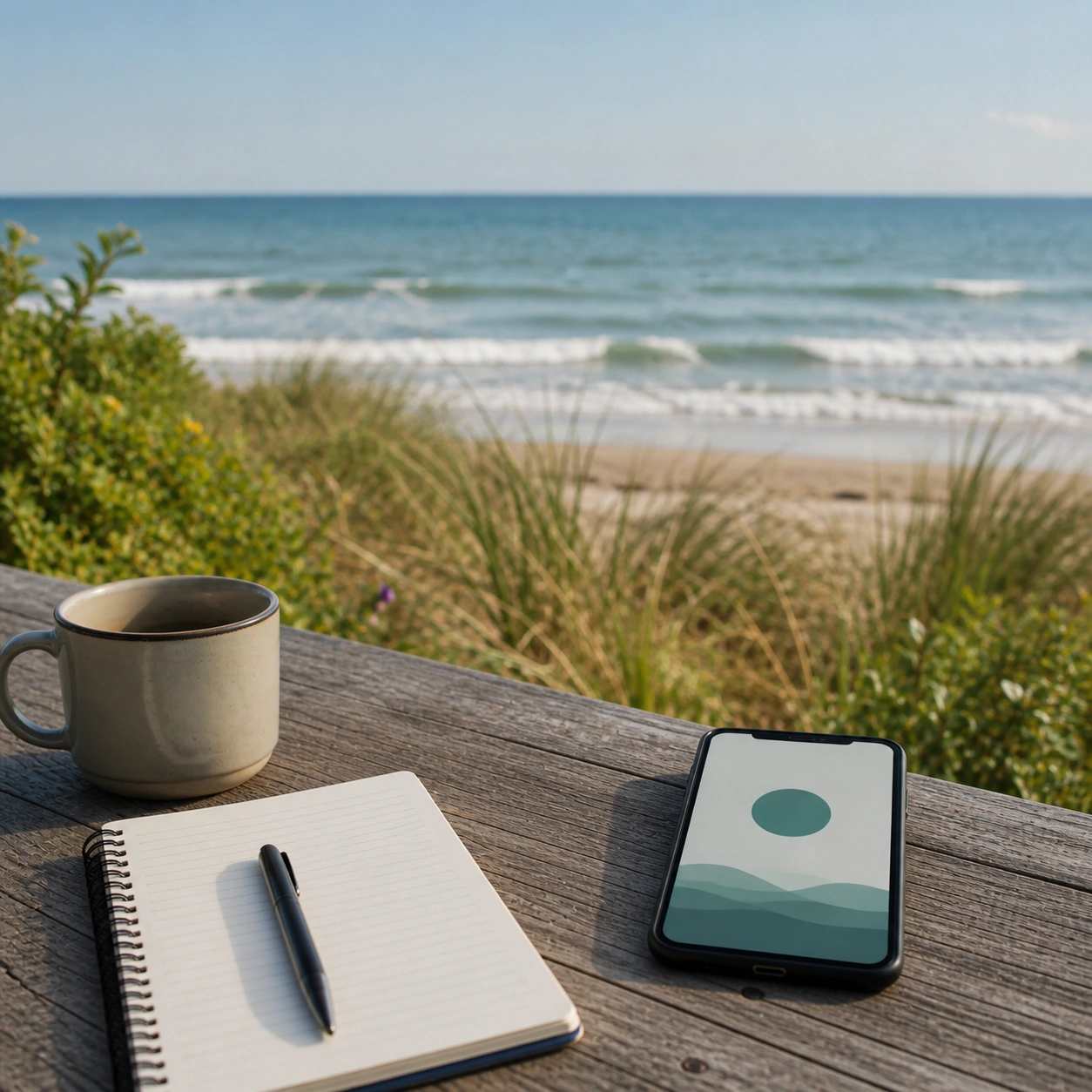
The tool on this website is inspired by EMDR and designed for gentle self-reflection or processing memories on your own. With calming bilateral movement, grounding prompts, and supportive phrases, it helps you explore what still feels charged at your own pace.
Frequently Asked Questions
Who is this tool for?
This tool is for adults who want a gentle, self-guided way to reflect on difficult memories or emotions. It is not meant for emergencies, severe distress, or replacing therapy with a trained professional.
Are there risks? What are they?
Yes. Focusing on difficult memories can bring up strong emotions, anxiety, or physical discomfort. Stop if it feels overwhelming, ground yourself, and seek professional support if distress continues.
Is this tool a replacement for EMDR therapy?
No. This tool is for self-guided reflection and emotional support. It does not diagnose, treat trauma, or replace care from a qualified EMDR therapist or mental health professional. If you are looking for therapy at home, DIY EMDR is not it.
When should I stop using the tool?
Stop if you feel overwhelmed, panicky, numb, detached, unsafe, or unable to calm down. Take a break, ground yourself, and contact a professional or trusted person if distress continues.
Got other questions?